Digitale
Facebook si trasforma, cambia nome e diventa Meta


Con un lungo post proprio ovviamente su Facebook il fondatore Mark Zuckemberg ha annunciato le trasformazioni di Facebook verso Meta
We are at the beginning of the next chapter for the internet, and it’s the next chapter for our company too.
 Aggiungi Massa Critica tra le fonti preferite di Google
 Ricevi le nostre ultime notizie da Google News - SEGUICI
 Massa Critica è una piattaforma di informazione, partecipazione e attivazione dei cittadini per favorire l'attivazione di quanti condividono aspirazioni nuove e innovative su sostenibilità , tecnologia , innovazione , startup , cibo , social innovation, salute.
.Vuoi saperne di più su Massa Critica ? Ecco la nostra presentazione.
Ti è piaciuto Massa Critica ? Bene! Iscriviti alla nostra newsletter. e al nostro canale Telegram.
Se ti piace il nostro lavoro vai alla nostra pagina su Facebook e clicca su "Like".
Se preferisci puoi anche seguirci via Twitter , via Instagram e via Youtube.
Per sostenerci abbiamo bisogno del vostro contributo, per questo vi chiediamo di supportarci concretamente attraverso Paypal o Satispay. Grazie per il vostro contributo e per la vostra fiducia!
Donazione con Paypal o carta di credito
Donazione con Satispay









Digitale
E’ nato il Manifesto per l’Italia Digitale con il Buono Digitale per favorire gli investimenti digitali di PMI, studi professionali ed enti del terzo settore
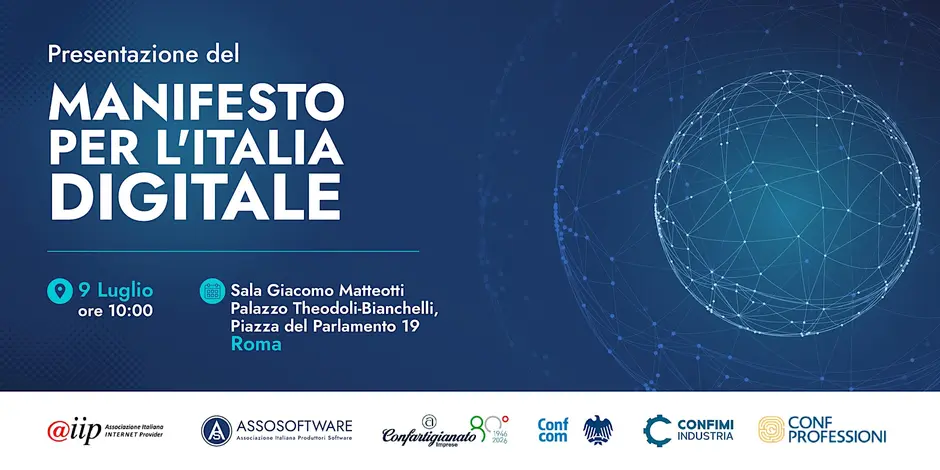
E’ nato il Manifesto per l’Italia Digitale, promosso da AIIP, AssoSoftware, Confartigianato, Confcommercio, Confimi Industria e Confprofessioni. Al centro della proposta c’è la richiesta di introdurre, nella prossima Legge di Bilancio, il Buono Digitale, uno strumento semplice, triennale e verificabile per favorire gli investimenti digitali immateriali di micro, piccole e medie imprese, studi professionali ed enti del terzo settore.
La misura nasce per rispondere al ritardo digitale del sistema produttivo italiano, particolarmente evidente nelle realtà meno strutturate: il 94,7% delle imprese italiane ha meno di 10 addetti, ma solo il 29,4% delle microimprese tra 2 e 9 addetti utilizza un software gestionale, contro il 51,4% delle imprese con almeno 10 addetti. Il Manifesto propone uno strumento complementare ai piani 4.0 e 5.0, pensato per intercettare la domanda diffusa di digitalizzazione delle micro e piccole imprese, dei professionisti e degli enti del terzo settore.
Il Buono Digitale punta a sostenere investimenti in software gestionali, cloud, piattaforme digitali, intelligenza artificiale, cybersecurity, e-commerce, consulenza, formazione e compliance, legando il beneficio alla reale messa in funzione delle soluzioni e non al semplice acquisto. La proposta prevede una misura rivolta alle imprese tra 2 e 99 addetti, con intensità di aiuto più alta per le realtà più piccole e una premialità per le soluzioni Made in UE. La platea stimata è di circa 578mila beneficiari nel triennio, con un fabbisogno pubblico pari a 3,951 miliardi di euro e investimenti complessivi attivati stimati in 7,05 miliardi.
“Il Buono Digitale – ha sottolineato Fabio Mereu, Vicepresidente di Confartigianato – risponde alle esigenze del 94,7% delle imprese italiane, quelle con meno di dieci addetti, che rappresentano il cuore del nostro sistema produttivo. Le imprese artigiane e le micro e piccole imprese sono già da tempo impegnate nella transizione digitale, investendo in innovazione e competenze, ma necessitano di strumenti semplici e accessibili che ne accelerino il percorso. Auspichiamo che il Buono Digitale possa trovare spazio nella prossima Legge di Bilancio. È una misura di politica industriale capace di sostenere l’adozione concreta di software, intelligenza artificiale, cybersecurity e formazione, rafforzando la produttività e la competitività del Paese. Investire nella digitalizzazione delle micro e piccole imprese significa investire nella crescita dell’intero sistema economico italiano”.
“Il Buono Digitale è uno strumento necessario per portare software, competenze e processi digitali nelle micro e piccole imprese, dove il ritardo è ancora più evidente. L’obiettivo non è incentivare il semplice acquisto di tecnologia, ma la sua reale adozione: soluzioni gestionali, cloud, cybersecurity, intelligenza artificiale e formazione devono diventare leve concrete di produttività. Investire nel software significa rafforzare la competitività delle imprese e dell’intero sistema Paese”, dichiara Pierfrancesco Angeleri, Presidente di AssoSoftware.
Per il Presidente di AIIP Giuliano Peritore: “AIIP sostiene attivamente l’iniziativa del Buono Digitale perché molte nostre imprese scontano un divario digitale importante che va superato promuovendo l’impiego di soluzioni ICT “Made in Europe”, che garantiscano la proprietà dei dati in un’ottica di sovranità e indipendenza operativa da altri soggetti. Oltre il 99% delle nostre imprese sono MPMI, la struttura economica che sostiene il nostro PIL, permettendoci di rappresentare il quarto paese per esportazioni a livello mondiale. Questo è un successo che dobbiamo continuare a sostenere facilitando e supportando la digitalizzazione delle nostre imprese”.
“Il Manifesto per l’Italia Digitale non è solo un documento di proposte, ma la testimonianza di una consapevolezza matura: la trasformazione del Paese non si gioca nelle grandi infrastrutture, ma nella capacità di portare l’innovazione fin dentro la micro-impresa. Come Confcommercio, il nostro contributo si focalizza su questo legame vitale tra tecnologia e territorio. Non puntiamo a una digitalizzazione astratta, ma a un percorso pragmatico che trasformi le soluzioni digitali, l’intelligenza artificiale e la cybersicurezza in strumenti quotidiani di efficienza per chi, ogni giorno, crea valore reale. Il nostro obiettivo è abbattere il gap tecnologico che ancora frena le nostre piccole realtà, dotandole di quelle competenze specifiche e di quegli incentivi strutturali necessari per competere nel mercato globale”, dichiara Paola Generali, Consigliere Confcommercio con incarico alla digitalizzazione, Presidente Assintel ed EDI.
“La trasformazione digitale è una leva strategica per la competitività del Paese che richiede un impegno condiviso tra istituzioni e corpi intermedi. Il Buono Digitale rappresenta uno strumento concreto per sostenere gli investimenti delle imprese in innovazione, competenze e cybersicurezza contribuendo a ridurre il divario tecnologico e a rafforzare il nostro sistema produttivo”, ha aggiunto Marco Barbieri, Segretario Generale di Confcommercio
“Per le nostre PMI manifatturiere, il Buono Digitale è un’opportunità per ridurre il divario con le realtà più grandi e strutturate, trasformare un’idea in un progetto pilota e acquisire consapevolezza del valore dei propri dati e, quindi, della necessità di tutelarli. Per il legislatore, è invece uno strumento per ridurre la burocrazia e partecipare attivamente al processo di innovazione del Paese”, spiega Domenico Galia, Presidente di Confimi Industria Digitale.
Aggiungi Massa Critica tra le fonti preferite di Google
Ricevi le nostre ultime notizie da Google News - SEGUICI
Massa Critica è una piattaforma di informazione, partecipazione e attivazione dei cittadini per favorire l'attivazione di quanti condividono aspirazioni nuove e innovative su sostenibilità , tecnologia , innovazione , startup , cibo , social innovation, salute.
.Vuoi saperne di più su Massa Critica ? Ecco la nostra presentazione.
Ti è piaciuto Massa Critica ? Bene! Iscriviti alla nostra newsletter. e al nostro canale Telegram.
Se ti piace il nostro lavoro vai alla nostra pagina su Facebook e clicca su "Like".
Se preferisci puoi anche seguirci via Twitter , via Instagram e via Youtube.
Per sostenerci abbiamo bisogno del vostro contributo, per questo vi chiediamo di supportarci concretamente attraverso Paypal o Satispay. Grazie per il vostro contributo e per la vostra fiducia!
Donazione con Paypal o carta di credito
Donazione con Satispay
Digitale
La Commissione Europea impone a Meta misure per il libero accesso a WhatsApp degli assistenti IA concorrenti
La Commissione europea ha ordinato a Meta di ripristinare il libero accesso a WhatsApp per gli assistenti IA generalisti concorrenti e di mantenerlo fino al termine dell’indagine antitrust della Commissione. La decisione evita che il comportamento di Meta, che a prima vista sembra violare le norme dell’UE in materia di concorrenza, pregiudichi la concorrenza in questo mercato in crescita.
Nel dicembre 2025 la Commissione ha avviato un’indagine antitrust sulla nuova politica di Meta volta a bloccare l’accesso dei fornitori di IA diversi da Meta AI a WhatsApp. Nel febbraio 2026 ha pubblicato una comunicazione degli addebiti in cui ha concluso in via preliminare che era necessario adottare misure provvisorie per evitare che le modifiche contrattuali di Meta provocassero un danno grave e irreparabile sul mercato. Nell’aprile 2026 ha pubblicato una comunicazione degli addebiti supplementare, in cui ha dichiarato l’intenzione di ordinare a Meta di ripristinare l’accesso di assistenti IA terze parti a WhatsApp.
La decisione ordina a Meta di ripristinare l’accesso per gli assistenti IA generalisti di terze parti all’API di WhatsApp for Business secondo gli stessi termini e le stesse condizioni in vigore prima del 15 ottobre 2025, ossia quando tale accesso era gratuito per tutti gli assistenti IA. Meta deve mantenere l’accesso a tali termini e condizioni fino all’adozione da parte della Commissione di una decisione definitiva sul caso in questione. Ciò è necessario per garantire l’efficacia dei poteri della Commissione nell’applicazione del diritto della concorrenza e di qualsiasi decisione definitiva della Commissione stessa riguardo alla legittimità del comportamento di Meta. Meta deve conformarsi a tali misure entro cinque giorni lavorativi.
Aggiungi Massa Critica tra le fonti preferite di Google
Ricevi le nostre ultime notizie da Google News - SEGUICI
Massa Critica è una piattaforma di informazione, partecipazione e attivazione dei cittadini per favorire l'attivazione di quanti condividono aspirazioni nuove e innovative su sostenibilità , tecnologia , innovazione , startup , cibo , social innovation, salute.
.Vuoi saperne di più su Massa Critica ? Ecco la nostra presentazione.
Ti è piaciuto Massa Critica ? Bene! Iscriviti alla nostra newsletter. e al nostro canale Telegram.
Se ti piace il nostro lavoro vai alla nostra pagina su Facebook e clicca su "Like".
Se preferisci puoi anche seguirci via Twitter , via Instagram e via Youtube.
Per sostenerci abbiamo bisogno del vostro contributo, per questo vi chiediamo di supportarci concretamente attraverso Paypal o Satispay. Grazie per il vostro contributo e per la vostra fiducia!
Donazione con Paypal o carta di credito
Donazione con Satispay

L’Autorità per le garanzie nelle comunicazioni, nella sua qualità di Coordinatore per i servizi digitali per l’Italia, ha deciso di trasmettere alla Commissione europea una richiesta di valutazione dei servizi offerti da Google Ireland LTD mediante le interfacce aperte al pubblico AIO (AI Overviews) e AI Mode, alla luce degli articoli 27, 34 e 35 del Digital Service Act – DSA. Contro la decisione ha votato la Commissaria Elisa Giomi.
L’iniziativa ha preso avvio da una segnalazione all’Autorità da parte della Federazione Italiana Editori Giornali – FIEG. In particolare, FIEG ha segnalato una significativa riduzione della visibilità e reperibilità dei contenuti editoriali che, da un lato, metterebbe a repentaglio la sostenibilità economica degli editori e degli autori, in particolare di quelli più piccoli e indipendenti e, dall’altro, inciderebbe sulla libertà di espressione e di informazione e sul pluralismo delle fonti.
Aggiungi Massa Critica tra le fonti preferite di Google
Ricevi le nostre ultime notizie da Google News - SEGUICI
Massa Critica è una piattaforma di informazione, partecipazione e attivazione dei cittadini per favorire l'attivazione di quanti condividono aspirazioni nuove e innovative su sostenibilità , tecnologia , innovazione , startup , cibo , social innovation, salute.
.Vuoi saperne di più su Massa Critica ? Ecco la nostra presentazione.
Ti è piaciuto Massa Critica ? Bene! Iscriviti alla nostra newsletter. e al nostro canale Telegram.
Se ti piace il nostro lavoro vai alla nostra pagina su Facebook e clicca su "Like".
Se preferisci puoi anche seguirci via Twitter , via Instagram e via Youtube.
Per sostenerci abbiamo bisogno del vostro contributo, per questo vi chiediamo di supportarci concretamente attraverso Paypal o Satispay. Grazie per il vostro contributo e per la vostra fiducia!
Donazione con Paypal o carta di credito
Donazione con Satispay